



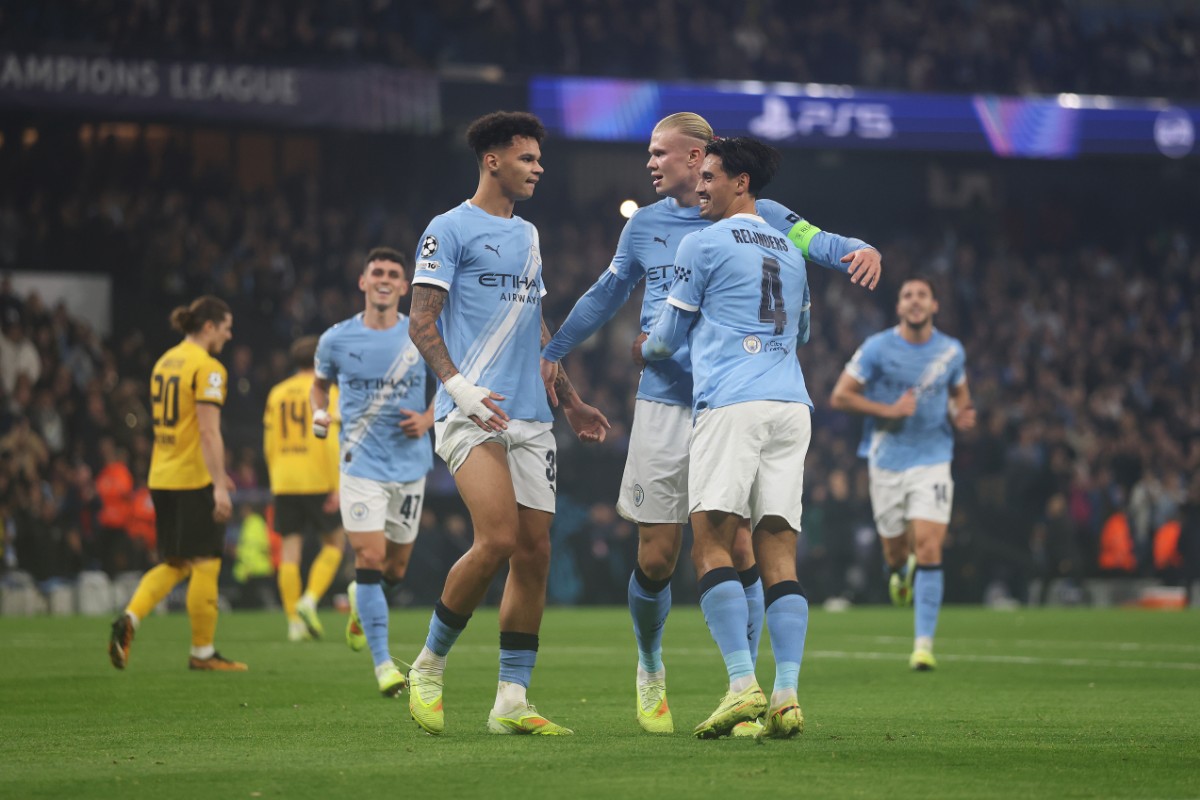
Pep Guardiola’s vision for his Manchester City team is well-known: he insists on dominating possession to pin opponents back and essentially wear them down with precise passing. This approach provides City with the game control that Guardiola seeks, effectively keeping play away from their defensive end. After a decade of observing Guardiola’s tactics, fans can often predict how City will play in any given match.
However, this season appears to diverge from the norm. The current Manchester City squad seems different from past iterations under Guardiola, displaying a more direct attacking threat. Following their recent victories against Bournemouth and Borussia Dortmund, one might wonder if Guardiola has subtly altered his strategy to capitalize on the unique strengths of his current team.
Less Possession, More Threat
The possession stats from Manchester City’s last two matches are intriguing. Against Bournemouth, City recorded just 48% possession, a rare statistic for a home match at the Etihad. In their clash with Dortmund, City managed only 51% possession, indicating that Dortmund also had their moments with the ball. Despite not having their customary control, Manchester City proved to be the most potent attacking side in both encounters, aided in part by the playing style of their opponents.
Bournemouth and Borussia Dortmund both engage in expansive, attractive football. Bournemouth employs one of the Premier League’s most aggressive high presses, while Dortmund is known for their offensive play. In both cases, this style played into Manchester City’s strengths. Bournemouth’s vulnerabilities to quick counter-attacks were exploited effectively, and Dortmund’s high-pushing wing-backs provided space for players like Jeremy Doku and Savinho to thrive. This demonstrated how Guardiola has adapted his approach to leverage the direct attacking threat of his current squad.
A Different Build
Unlike previous seasons, where Manchester City focused on maintaining possession to seize opportunities, this current squad capitalizes on their speed and technical prowess to strike directly. Erling Haaland excels with space to exploit, and the results against Bournemouth were evident. Players such as Jeremy Doku, Savinho, Omar Marmoush, and to a lesser extent, Oscar Bobb flourish in open spaces behind the opposition’s defense. With Rayan Cherki, Tijjani Reijnders, and Phil Foden also capable of driving at defenders with intent, City appears to be strategically sitting deeper defensively, inviting pressure to unleash their attacking potential.
Adapting Defensively
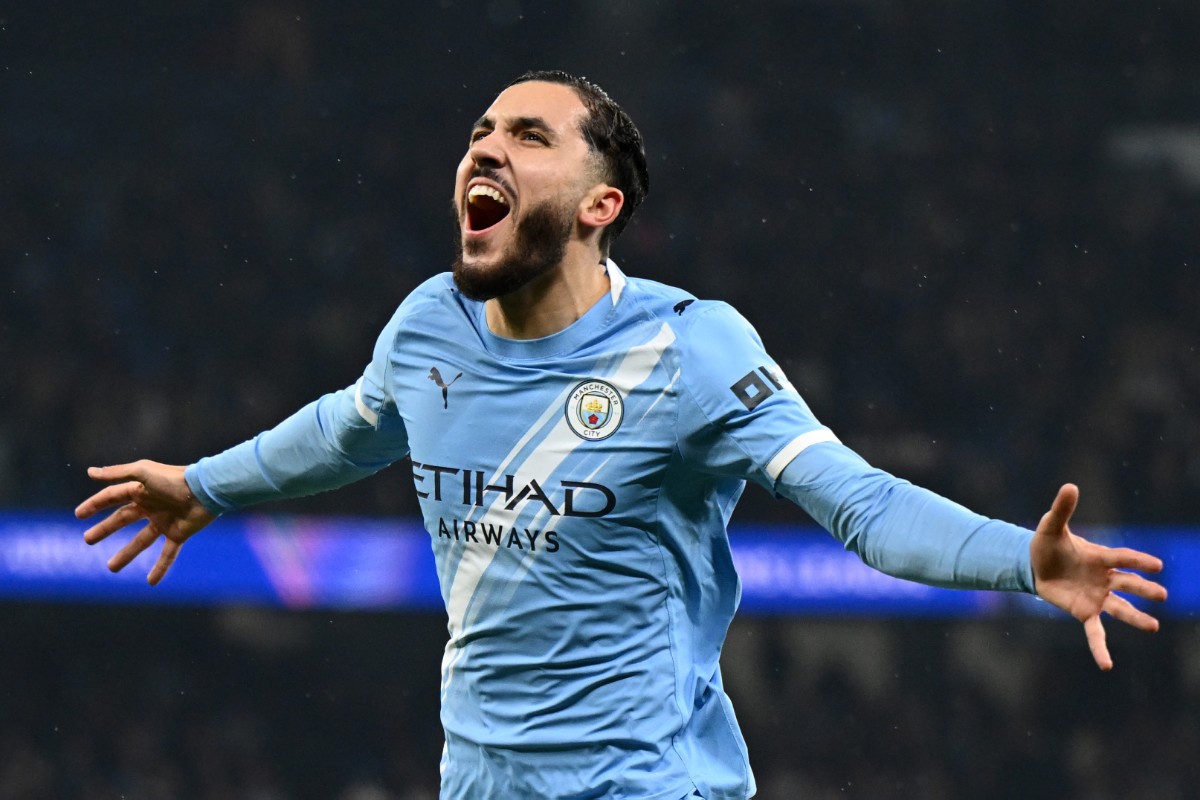
This season, Manchester City has demonstrated a willingness to defend deeper and encourage opponents to advance. A notable example occurred during their 1-1 draw with Arsenal at the Emirates Stadium, where City limited Arsenal’s clear-cut chances despite having less possession. Similar patterns emerged against Bournemouth and Dortmund, where they absorbed pressure and countered with precision, thanks in part to key saves from Gianluigi Donnarumma.
While previous City squads possessed the capability to defend resolutely and counter-attack effectively, this iteration seems more inclined to embrace this style regularly.
Conclusion
The current Manchester City squad is distinctly different from previous versions, characterized by pace, power, and creativity in attacking positions. They can defend resolutely when needed and withstand challenging moments. This suggests that Pep Guardiola has subtly shifted his tactical approach to align more closely with the strengths of his team, resulting in impressive performances. As the season unfolds, it will be fascinating to see whether City continues this approach or if Guardiola’s traditional playing style resurfaces.