



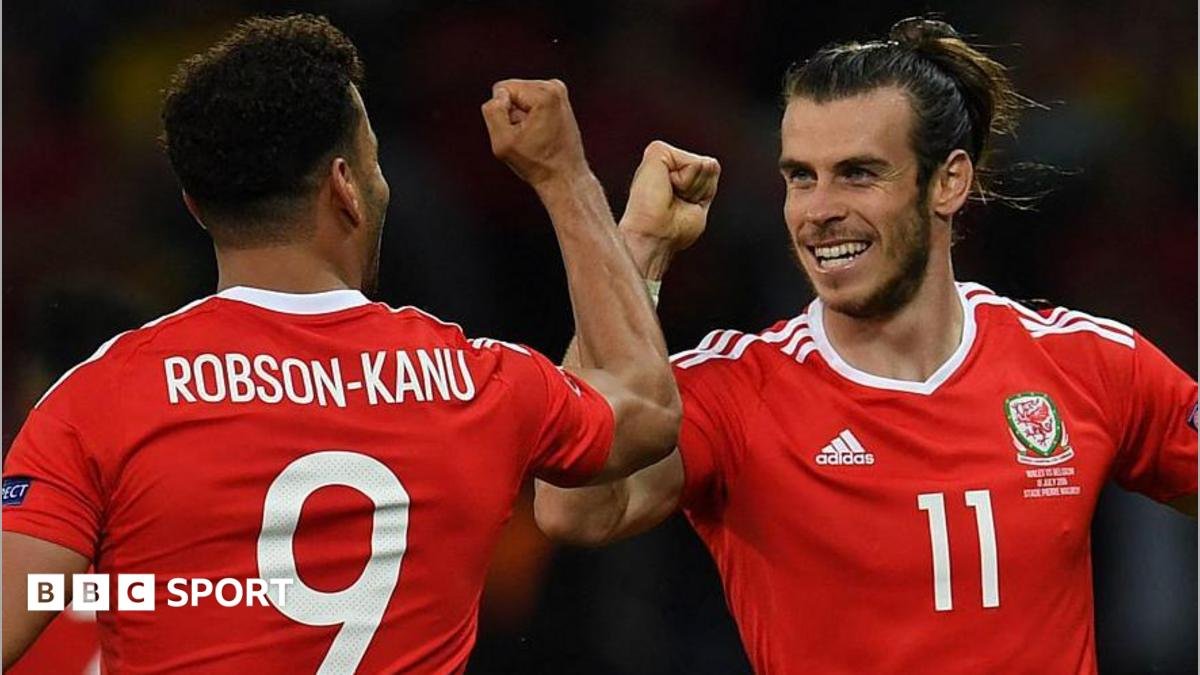
Jonathan Ford, who led the Football Association of Wales (FAW) from 2009 to 2021, says qualification for major tournaments—especially Euro 2016—brought in significant revenue, leaving the FAW with more cash to invest. That funding was spread across the game, including women’s and grassroots football, and he believes it transformed the women’s set-up.
Uefa vice-president Laura McAllister, a former Wales captain who helped push for the creation of a formal women’s national team in the 1990s, says the progress after 2016 was not a given. She credits the FAW—and Ford in particular—for using that breakthrough to move the game into a new era.
McAllister recalls, from her time on the FAW Trust in 2016, earlier board discussions where Ford warned that without the men qualifying for a major tournament, investment in various areas—including the women’s national team—wasn’t feasible. While she found that hard to accept, she acknowledges the FAW’s finances meant income from men’s tournament participation and results was essential to deliver the wider strategy for Welsh football.
She travelled as a fan to France a decade ago and to Qatar in 2022 to support the men at the World Cup. When the women competed at Euro 2025 in Switzerland, she was there again—witnessing both the legacy of her early efforts to establish the team and the long-term impact of 2016.
McAllister says qualification flips a psychological switch, making ambitions feel real and attainable. What truly counts, she adds, is how you capitalise on that breakthrough, rather than the fine details of how you performed.
Wales’ women are now targeting a first-ever World Cup berth, while the men watched with frustration as the tournament in the United States, Canada and Mexico went ahead without them this summer. That disappointment, however, reflects a new mindset forged after Euro 2016, replacing the old acceptance of missing out on major stages.
Since that unforgettable month in France, Wales carry themselves like they belong at the top level. Chris Coleman says the most valuable legacy they could pass on was proving it could be done.
Further qualifications have flowed from Euro 2016, and today’s ambitions show a determination to keep building on those foundations. There is still much for both the men’s and women’s teams to achieve, but there may never be another summer quite like 2016.
Joe Ledley says the squad remains immensely proud of what they accomplished, recalling how few believed in them at the time and how people still thank them for delivering the best summer of their lives. Andy James echoes that sentiment, calling it the best month of his life—something he didn’t fully grasp while it was happening. In hindsight, it’s hard to find a Welsh football fan who would disagree.
Listen to all three episodes of Iconic: The Summer that Changed Welsh Football on BBC Sounds.