



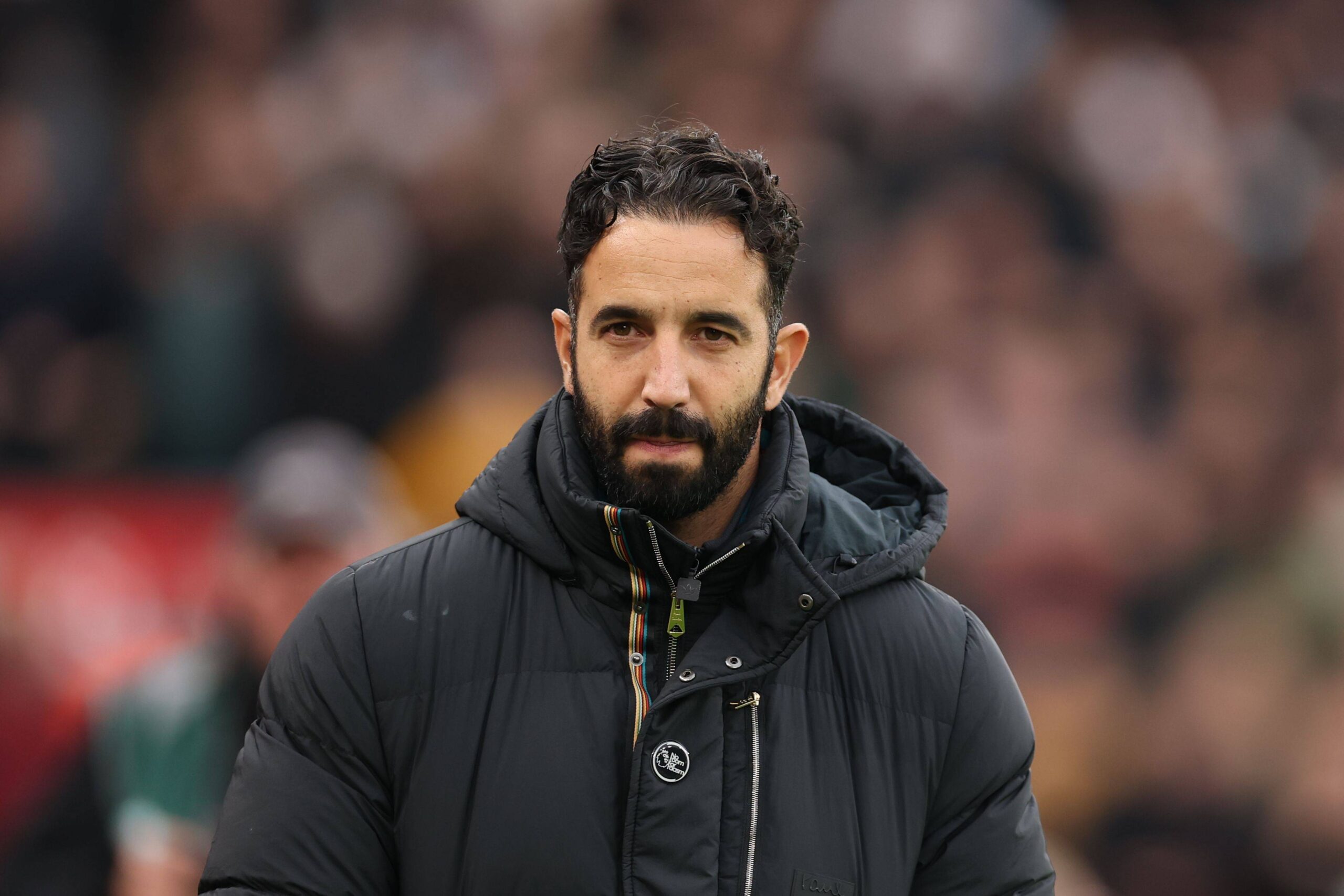

Manchester United’s 2-2 stalemate with Tottenham Hotspur might have showcased a newfound resilience, but it created a conundrum for manager Ruben Amorim. Benjamin Sesko, who came on in the second half, had to leave the game after just half an hour due to a knee injury, forcing United to finish the match a man down.
Post-match, Amorim shared his concerns regarding Sesko’s condition, stating, “We need to assess the situation. He had an issue with his knee, so we’ll have to wait and see.” When asked if the injury was serious, the Portuguese coach admitted, “I can’t say for sure. With knee injuries, it’s hard to tell.”
This incident highlighted the fragility of United’s attacking options. Sesko, who has shown flashes of potential, has struggled with inconsistency and injuries, reflecting a broader sense of uncertainty within the team.
Potential January Transfer Movements
With the Africa Cup of Nations set to commence in December, Amorim faces the prospect of losing crucial players like Bryan Mbeumo, Amad, and Noussair Mazraoui. This impending disruption might compel United to take action in the transfer market, with Amorim indicating that a proactive approach may be necessary depending on the prognosis for Sesko.
“We need to evaluate what happened with Ben,” Amorim remarked. “We knew there would be challenges with AFCON, but now with injuries, we need to consider our options. It’s possible to prepare for this in the summer, but managing those situations during the season is going to be tough.”
He later added, “Let’s see what happens when the transfer window opens. If we can enhance the team, we certainly will. Until then, we have to make the most of our current situation.”
This statement reveals a manager who, since his arrival at Old Trafford, has maintained a balance between hopefulness and pragmatism. Amorim’s adaptability, rather than rash decisions, may significantly influence United’s strategy in the upcoming transfer window.

Sesko’s Confidence Remains Intact
Before his early exit, Sesko’s performance offered mixed signals. While he squandered two promising opportunities against Spurs, Amorim was quick to defend his young striker’s mindset. “That shouldn’t be our primary worry,” Amorim explained.
He elaborated, “It’s normal for a striker to have ups and downs. He might not score for a match and then find the net twice in the next game. My main concern is the injury since it’s related to the knee, and we can’t predict the outcome. We need Ben fit to improve as a team.”
For Amorim, the overarching goal is to ensure consistency amid challenges. His composed outlook suggests that while reinforcements might be considered in January, he retains confidence in his current squad.
The upcoming games and potential player absences will test United’s squad depth. Amorim’s strategy, still in its formative phase, has focused on collective strategy and belief rather than relying solely on star players. However, with the squad already stretched, exploring the January transfer market seems increasingly likely.
Whether the club targets an experienced forward or a versatile attacker will hinge on Sesko’s injury diagnosis. Regardless, Amorim’s grounded approach continues to influence a squad that is still acclimating to his methods.
Our Perspective – EPL Index Analysis
From the perspective of Manchester United supporters, Amorim’s calm demeanor under pressure is comforting, yet the underlying concerns about squad depth are legitimate. The club seems to have faced another downturn in injury fortunes just as they were beginning to find stability. The potential loss of Sesko, even temporarily, accentuates how little room for error exists in the attacking department.
Many fans will argue that securing a signing in January isn’t merely advantageous but essential. The anticipated absences of Mbeumo, Amad, and Mazraoui due to AFCON will further expose vulnerabilities in the squad. While Amorim’s comments on summer planning make sense, supporters understand that sound reasoning alone won’t yield goals.
The manager’s focus on player development instead of hastily acquiring new talent aligns with his long-term vision. However, the United fanbase has been patient for too long. After seasons of unfulfilled promises, there’s a growing sentiment that the club must take decisive action to maintain momentum and avoid another mid-season slide.
If Sesko’s injury sidelines him for an extended period, the necessity for a new forward in January becomes clear. For a club of United’s caliber, relying solely on internal options would be a risky proposition. Supporters will hope that Amorim’s remarks about “improving the team” lead to tangible results when the transfer window reopens.