



-

Tom Hamilton
Multiple Authors
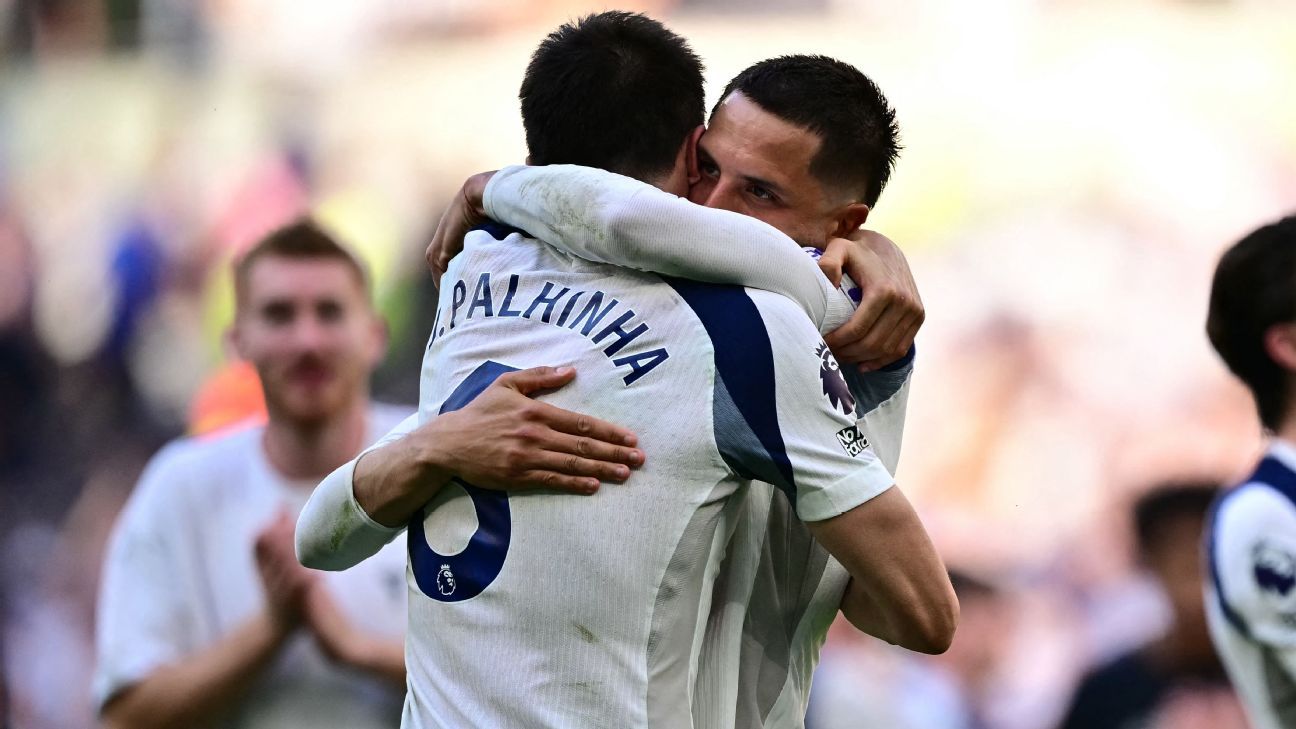
LONDON — The Tottenham Hotspur squad finally came alive. Just when it seemed they might slip into relegation, manager Roberto de Zerbi and on-loan midfielder João Palhinha reignited the team’s spirit and delivered a crucial victory.
After Palhinha’s first-half goal on Sunday, the Tottenham players celebrated as if they had secured the Premier League title. However, this 1-0 win against Everton marked only their third home league victory this season and ensured they would avoid relegation on the final matchday. While this brought immense relief and a burst of energy, Spurs must now reflect on how they ended up in this predicament and devise strategies to evade a similar fate in the upcoming season.
As part of the so-called “Big Six” clubs in the Premier League, back-to-back 17th-place finishes are hardly a reason for celebration. Escaping relegation on the final day allows weary supporters to catch their breath and not face the disgrace of dropping down a division. However, as club executives observed from the director’s box, rather than celebratory champagne, they should be opting for mineral water while they strategize over the numerous poor decisions of recent years.
Throughout the week, Spurs fans received reminders from the club’s official channels of last year’s events. They triumphed in the Europa League in Bilbao yet finished 17th in the league—an outcome attributed to injuries and managerial turmoil. Over the summer, after Ange Postecoglou’s departure and Thomas Frank’s arrival with a hefty £220 million investment, they were expected to breathe easier with a Champions League campaign ahead.
However, this hope was short-lived. The squad remained fractured, recruitment strategies faltered, and injuries persisted while confidence plummeted. Frank was dismissed by February, leading to Igor Tudor’s ill-fated appointment, which lasted only 44 days, resulting in just one point from seven games. Subsequently, De Zerbi was brought in to connect with the team and uplift their spirits.
The tough love approach had failed, so a more compassionate strategy was adopted. Yet, supporters grew increasingly frustrated, caught in a surreal situation where they were enjoying a grand stadium while sitting at the edge of relegation, pondering next season’s away games in the Championship.
As the weather turned hot on Sunday, Spurs fans understood that a draw would guarantee their survival. A vehicle filled with Arsenal supporters drove by, playing “North London Forever”. Despite the dismal season, Tottenham supporters recognized that securing even a point against Everton meant they would face Arsenal away next season, not a trip to Lincoln.
Following their loss to Chelsea earlier, De Zerbi emphasized the significance of the upcoming match—more about preserving dignity than accolades. He echoed this sentiment in the matchday publication, as the squad had been subjected to a season of frustration, leaving fans longing for a genuine atmosphere of support.
The fans answered that call with passion, welcoming the team bus with fervor and celebrations filled the air. Among this turmoil, club captain Cristian Romero witnessed it all—although he wasn’t on the pitch, the spirit resonated throughout the crowd.
Spurs channeled their pent-up emotion and energy from the outset, as De Zerbi made one key change, starting Djed Spence on the right wing instead of Randal Kolo Muani, allowing Mathys Tel to exploit Jake O’Brien’s position on the opposite flank.
Though Everton had little to fight for, they put in a strong effort, but it was Spurs who displayed greater urgency and persistence. They created numerous opportunities with Conor Gallagher hitting the side netting, Kevin Danso misfiring another attempt, and Palhinha missing from close range before finally breaking through.
On April 25, Spurs faced Wolves, who were already relegated, and were on the brink of equaling their club’s worst winless streak. Then, Palhinha scored in the 82nd minute with a scrappy goal. Fast forward to this match, and his second goal came from a header that struck the post and was then followed up with a determined rebound that crossed the line, confirmed by technology and the referee’s watch. Spurs’ players flocked to the bench in celebration, and a collective sigh of relief filled the air.
Yet, amidst the joy, echoes of past disappointments lingered. Who could forget Xavi Simons’ last-minute strike against Brighton, which robbed them of victory just seconds away from joy? This time, however, fortune favored Spurs.
Everton posed little offensive threat, and every substitution by De Zerbi was met with elevated crowd enthusiasm. Danso proved formidable in defense, Pedro Porro was relentless, and Palhinha, dominant in the midfield, formed the backbone of Spurs’ performance.
As the match entered nine minutes of injury time, unease rippled through the crowd when they learned West Ham was leading by three goals. But Spurs navigated through the final moments cautiously. It wasn’t triumphant marching as their song suggests; rather, it was a tense crawl over to safety. Antonín Kinsky managed to pull off a crucial save against Everton’s Tyrique George, securing their place in the top flight for another year.
Some players collapsed to the ground in disbelief, while others remained standing in shock. Kinsky acknowledged someone in the crowd who supported him through a challenging season marked by rapid changes, from being subbed off early in a match against Atletico Madrid to making key saves that preserved Spurs’ league status. Meanwhile, Porro needed assistance getting to his feet.
Finally, a few Spurs fans started chanting, “We are staying up!”—a refrain previously dismissed by long-time supporters as a protective measure against jinxing their fortunes.
Several key moments contributed to this wave of relief at full time: De Zerbi’s appointment, Palhinha’s critical goal against Wolves, Maddison’s timely return to form, or perhaps simply the preservation of dignity in their performance. Ultimately, this squad should have never found themselves in such dire circumstances.
As the players gathered in front of the south stand, these sentiments likely resonated among them.
By that point, celebrations were subdued, adrenaline fading, replaced by exhaustion and relief. Their dignity had, just barely, been secured.