



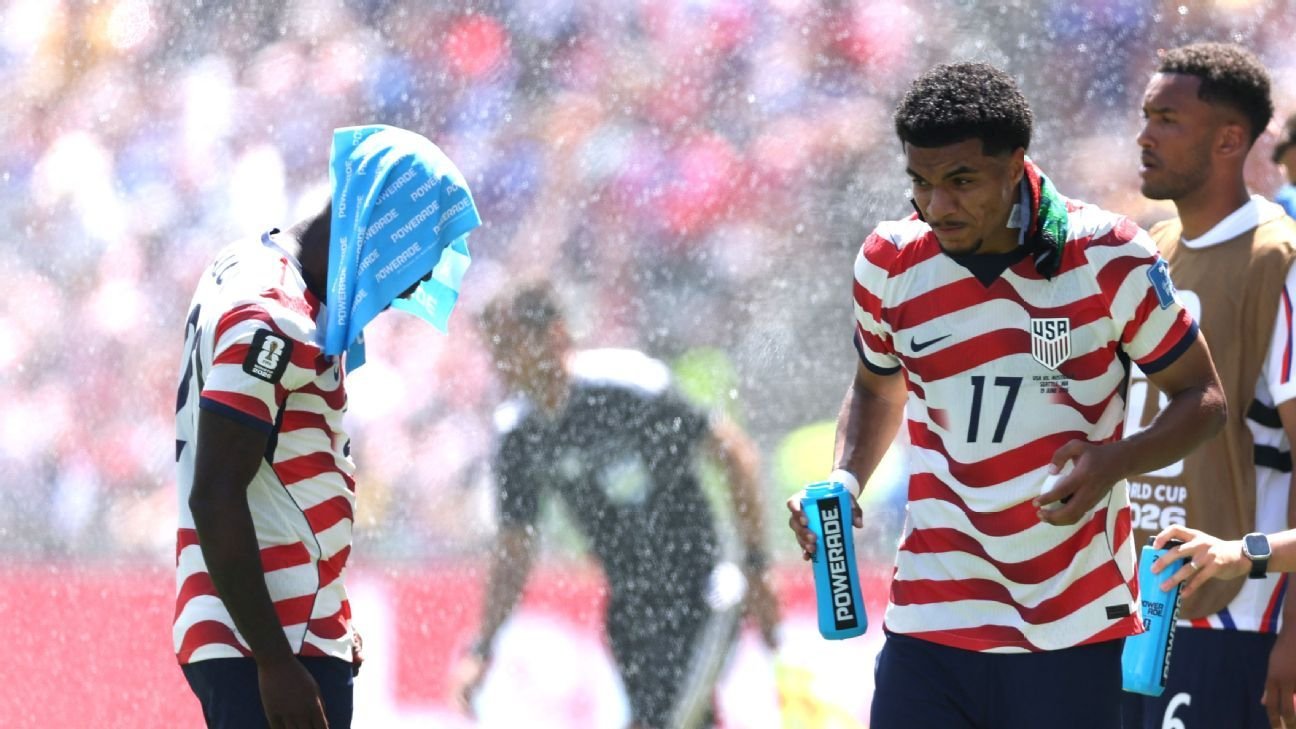
Hydration breaks introduced during the 2026 World Cup did not disrupt the game’s flow or influence any match outcomes, but their future is uncertain, according to Arsène Wenger, FIFA’s head of global football development, in comments made on Saturday.
The mandated three-minute breaks occurring in each half were established for all matches during this year’s World Cup, although they have not yet become a standard practice across soccer.
However, these breaks are expected to be a significant point of discussion in future media rights negotiations, as broadcasters view them as an opportunity for commercial breaks, based on discussions with soccer executives.
Fox, the U.S. broadcaster for this tournament, is projected to earn at least $250 million from advertisements tied to the hydration breaks, according to The Hollywood Reporter.
FIFA plans to evaluate the effectiveness of hydration breaks after the World Cup, following considerable criticism regarding their implementation.
“There were mixed feelings about it, and we need to assess its impact after the World Cup,” Wenger stated during a news conference on Saturday. “It didn’t seem to affect match results. However, our primary goal is to cater to fans watching football, and we will draw conclusions post-competition.”
“In certain matches, they were necessary, and to maintain uniformity in how games were managed, we opted to implement them from the start. We will conduct a thorough evaluation after the tournament.”
For the World Cup final on Sunday, Spain will be playing just their second outdoor match against Argentina at MetLife Stadium in New Jersey.
Fans in the stadium expressed their displeasure during the hydration breaks, and former players have also been vocal in their criticism.
These breaks were designed to assist players in coping with the summer heat across the United States, Canada, and Mexico; however, FIFA mandated that they occur regardless of weather conditions or venues. Notably, four matches held in indoor venues—Atlanta, Dallas, Houston, and Vancouver—also included hydration breaks for consistency.
Coaches have utilized these breaks strategically, akin to timeouts, to convey tactical instructions during games.
FIFA first introduced cooling breaks at the 2014 World Cup in Brazil, following a labor court ruling that mandated player rest when temperatures reached 89.6 degrees Fahrenheit. Currently, many leagues worldwide have regulations regarding breaks in play, often dependent on weather conditions or at the referee’s discretion.
Information from The Associated Press contributed to this report.