



-

Jeff Kassouf
Multiple Authors
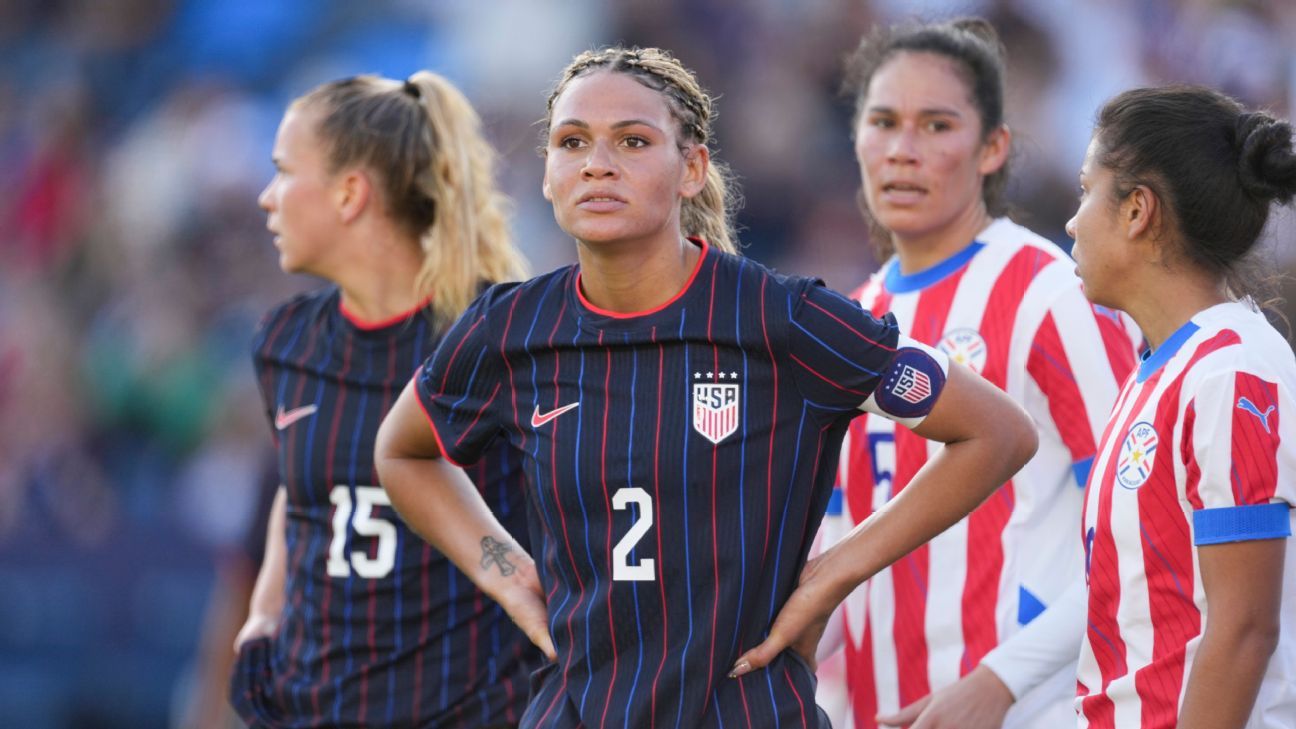
Facing defeat against Brazil in their upcoming road matches could ultimately benefit the U.S. women’s national team as they gear up for the 2027 World Cup.
Undoubtedly, this squad is used to winning, with four World Cup titles, five Olympic victories, and a record of over 600 wins and fewer than 100 losses. Accepting defeat may feel alien for such a winning tradition. However, it’s clear that their intention is not to lose in Brazil. As former NFL coach Herm Edwards notably declared, “YOU PLAY TO WIN THE GAME.”
This is valid, but in friendly matches, the aim is also to learn how to secure victories in crucial matches. The USWNT should welcome the lessons that come from struggling in challenging new circumstances this month. Struggles, even defeats, can be beneficial for their chances at the World Cup, especially during the pair of friendlies against Brazil in the coming days.
“I’m a developer of players, and they need to navigate these challenges,” said USWNT coach Emma Hayes following a loss to Japan in April. “This experience will bring us closer to our goals. It’s not just about the result – although we obviously prefer not to lose.”
What Emma Hayes Gains from USWNT Losses
The April loss to Japan, alongside defeats to Japan and Brazil last year, are sources of invaluable insights for Hayes as she prepares for the World Cup. Matches against formidable opponents, such as these, provide far more learning opportunities than games against lower-ranked teams.
“If we’d chosen a weaker opponent, I could sit here and say ‘What a wonderful night! We won by several goals!’ and boost the team’s reputation – but I don’t believe in that,” Hayes reflected post-defeat to Japan.
“Where else can you challenge yourself against the best in every situation? That’s how you grow. We must continue to handle tough circumstances, no matter who we face on the pitch.”
Brazil stands out as another excellent benchmark. The Seleção has revitalized itself under coach Arthur Elias, embracing an intense, technically skilled style with a new wave of talent. The U.S. narrowly defeated Brazil in the 2024 Olympic final, claiming the gold medal. Such adversaries are essential for the USWNT to genuinely assess their growth.
In recent matches against Japan and Brazil, Hayes fielded largely experimental squads, exposing younger players to high-pressure situations against top-tier global competition. Japan and Brazil, ranked No. 5 and No. 6 respectively, are among the serious contenders for the 2027 World Cup, showcasing contrasting playing styles.
Hayes aimed to familiarize her younger players with the tactics and physical demands of top-tier teams early in their World Cup preparations, allowing them to experience the organizational discipline of Japan and the speed and intensity of Brazil. Accepting occasional failures now is crucial for their future successes in the World Cup.
This intentional exposure led to teenage midfielders Claire Hutton and Lily Yohannes playing together in a match against Brazil. Hayes pointed out that Yohannes rarely faces such challenges with OL Lyon (or previously at Ajax).
Furthermore, starting quick forwards like Emma Sears and Ally Sentnor against Japan in April challenged them to navigate Japan’s organized defenses.
This upcoming trip to Brazil is particularly significant for the USWNT since 17 of the 26 players on Hayes’ roster have yet to experience a senior World Cup. She has made it clear that most of this group is in contention for the qualifying roster.
Though Hayes has only lost four of 38 matches as USWNT head coach, she has acknowledged that sometimes, a loss can reveal the players’ responses to adversity and identify those who may not be prepared for high-stakes challenges.
A Pattern: Challenging USWNT Losses Precede World Cup Triumphs
Recent history demonstrates the value of struggling against top-tier opponents on away turf. This marks the seventh consecutive World Cup cycle in which the USWNT has traveled to the future World Cup host country as part of their preparation. They have won two World Cups and reached another final during this time frame.
Months before the 2015 World Cup, France soundly defeated the USWNT in Lorient, yet the Americans went on to win the World Cup later that year in Canada.
In 2019, the USWNT suffered another loss to France in a friendly, yet they won the World Cup six months later. Their journey to a second consecutive title included a group-stage victory over Sweden in Le Havre and a challenging quarterfinal win against the host nation, France, in Paris.
In contrast, during 2023, the Americans experienced their worst World Cup showing, entering the tournament with a 19-game unbeaten streak yet exiting after their first knockout round. While various factors contributed to this outcome, the lack of meaningful losses leading up to the tournament seems to have played a role in their struggles.

1:04
USWNT’s “Triple Espresso” reunites in Brazil
The loss to France in 2019 served as a testing ground for then-coach Jill Ellis against a strong opponent. While her decisions faced criticism at that time, they proved instrumental in collecting vital data.
Emily Fox, a young player at the time, was beaten one-on-one for the opening goal early in the match and ultimately did not make the final World Cup squad. She has since become one of the top fullbacks in the world. Meanwhile, Crystal Dunn played in an unconventional No. 10 role, with Morgan Brian (now Gautrat) stepping in as the defensive midfielder for the day.
Dunn eventually returned to fullback during the World Cup and delivered an exceptional tournament performance, while Ertz dominated midfield throughout the championship. The primary focus of that friendly was to gather knowledge.
During that match against France, the USWNT faced intense pressure from an enthusiastic, hostile crowd that would later also host the World Cup. Similar challenging crowds are anticipated in São Paulo and Fortaleza, heightening the importance of this trip off the field for a team that seldom plays in such environments.
“This provides us another opportunity to evaluate how we cope with the various conditions associated with being in Brazil,” Hayes commented recently. “From adjusting to new cultures and training venues to experiencing unique accommodations and fan interactions, all these variables matter greatly.”
Though it may seem contradictory, Hayes will likely gain just as much insight about what isn’t functioning as she will about the successes during this trip to Brazil.
Emerging players must continue to demonstrate individual improvement, and the team needs to stay competitive while fine-tuning their tactical identity. A poor performance could harm team dynamics, but as Hayes remarked about her first defeat as USWNT head coach against Japan, “I’d rather face that challenge now than later.”
Ultimately, everything the USWNT does in Brazil this month is aimed at preparing for 2027, regardless of the outcomes of these friendlies. Struggles – even losses – should be framed as part of their growth journey.
Next year in Brazil, during the World Cup, will be when they truly play to win.