



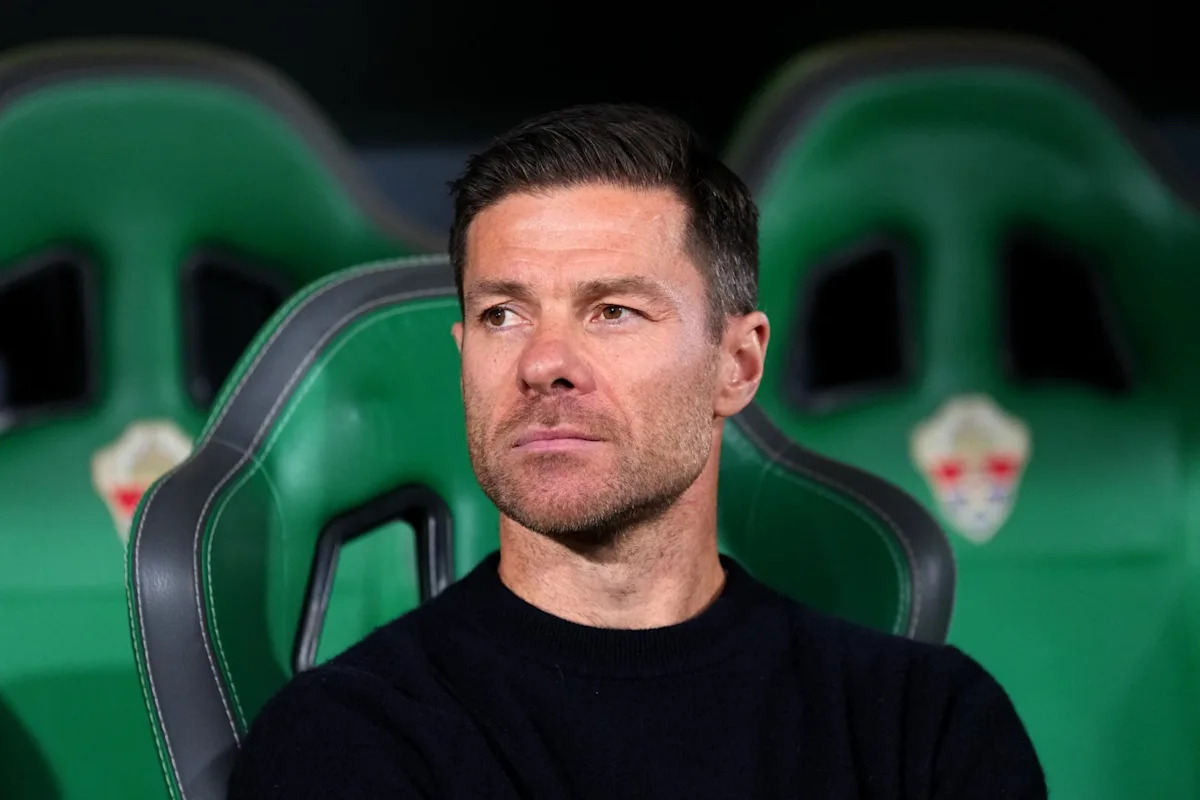
New revelations are surfacing in the wake of Xabi Alonso’s dismissal from Real Madrid, particularly regarding the dynamics in the dressing room.
Transfer market expert Fabrizio Romano has shed light on the situation, indicating that Alonso faced challenges in his relationship with several players from the outset of his tenure.
Advertisement
Romano suggests that the rapport between Alonso and certain squad members never fully developed.
Despite the club’s public support for the former midfielder, highlighting a vision for a long-term project, there were unmistakable signals of discontent behind the scenes.
What’s the issue?
Reports indicate that even in the early days of his management, some senior players found it difficult to align with Alonso’s tactical ideas and choices, breeding a rift between the coach and the team.
One significant incident involved discontent regarding the handling of Luka Modric’s situation.
The Croatian star was ready to remain at the club for another season, open to a new contract that acknowledged a potential decrease in playing time.
For Modric, the motivation was to stay in the club he considers home, mentor younger players, and contribute as needed.
Advertisement

Many players at Real Madrid were dissatisfied with the club’s decision to let Modric go. (Photo by Marco Luzzani/Getty Images)
Nevertheless, both Alonso and the club’s management opted for a different path, prioritizing youth and energy in an effort to construct a new midfield foundation for the future.
While this choice made sense from a sporting standpoint, it did not sit well with all members of the dressing room.
Modric’s influence, leadership, and stature were widely respected, and his sidelining sparked concerns among several players.
Advertisement
At the same time, Alonso felt increasingly frustrated with the squad available to him.
As previously noted, he believed the midfield lacked a true orchestrator.
Consequently, he consistently communicated to the club that his tactical setup required a player capable of controlling the rhythm, providing structure, and leading the team in possession.
As previously addressed, that player, however, was never brought in.