



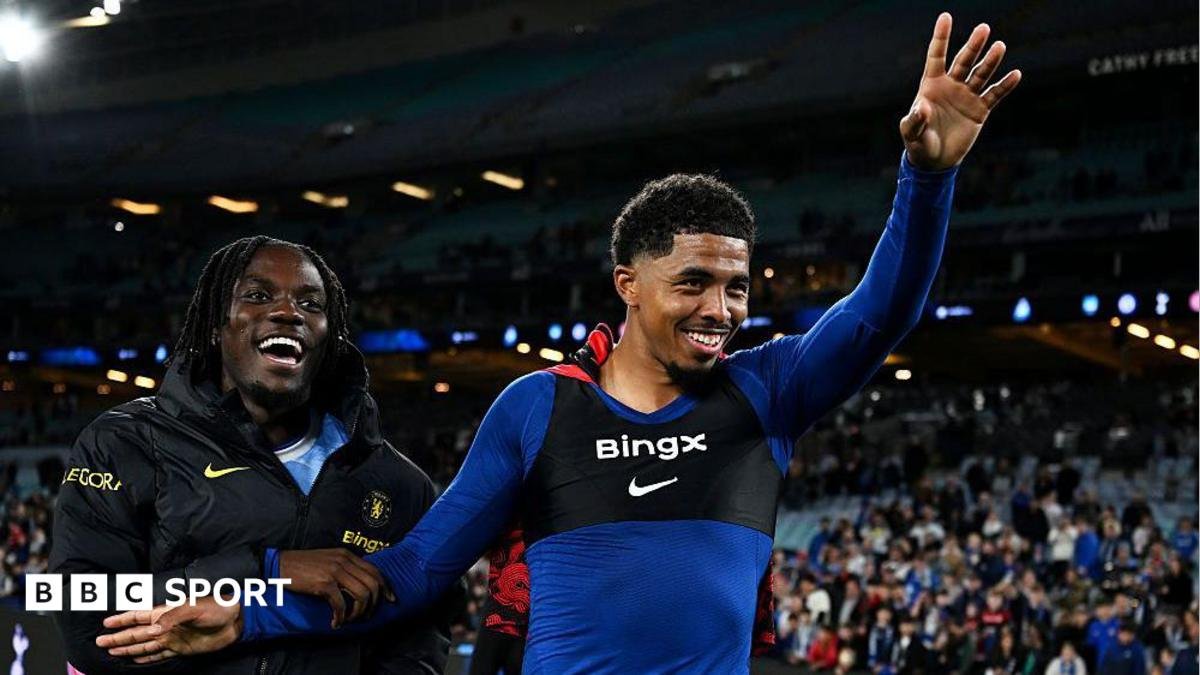
Fofana has again said it was his dream to sign for Chelsea, the club he followed as a boy in Marseille because of his admiration for former Blues striker Didier Drogba.
Even so, Chelsea finished 10th in the Premier League last season and ended the campaign without silverware.
Many fans made him the scapegoat, a view amplified by a clip of him laughing on the bench during a heavy Champions League defeat to Paris St-Germain in March.
He maintains the moment was blown out of proportion and says people inside the club know his mentality. When a team struggles, someone gets blamed, he added, and he can accept that.
He noted the club paid a substantial transfer fee for him and that he arrived determined to be the best in his position and help the side. So when things go wrong, he accepts being the one people point to.
The France defender could have turned the spotlight on Chelsea itself: former manager Enzo Maresca departed after a clash with the hierarchy, while his successor Liam Rosenior endured a five-match run without a goal and lost the backing of much of the dressing room during his four months in charge.
Fofana says the players must shoulder the responsibility. They didn’t give everything, dropped winnable games, turned in poor performances and missed too many basics.
He added that you can’t carry that into a new season, but everyone now understands what went wrong and has looked themselves in the mirror.
There is, however, a line that must not be crossed.
Fofana, a Muslim whose father is from Ivory Coast, was subjected to racist abuse on Instagram last season. He also highlighted abuse in March 2025.
He says those messages are painful to read, but he will never stop calling them out.
Exposing people who behave like that isn’t a big thing for him—it’s essential. Players, he says, need to show what is being said.
He believes the platforms must do better. He posted on Instagram and on Twitter (now X) to push those companies to be more aware and accountable for the problem.
It’s not just football, he added; the wider world has this issue, and it’s too easy to fire off comments. Sometimes he receives messages from people he doesn’t think are inherently racist.
Some send monkey emojis out of frustration after a bad result, then praise him if he scores in the next game.
People need educating, he said; speaking like that should never be normal. He understands fans can be upset—after a red card, for example—but that doesn’t justify such language.
Fofana says young players have shown him similar messages after matches and often choose not to act. Having faced such abuse since he was young, he is prepared to keep speaking out, even if some then question his character.